Free spins:8


A stone-heavy Aztec setting, a clean crash-style layout, and the constant tension of “cash out now or push it” make Mighty Crash feel like a high-stakes ritual where every round can swing from modest gains to headline-worthy spikes. Instead of traditional reels and paylines, this game revolves around a rising multiplier and your timing—simple on the surface, brutal in the best way once you start chasing bigger exits. If you’re browsing the Aztec slots section and want something with quick decisions and big-win potential, this one is an easy pick to sample.
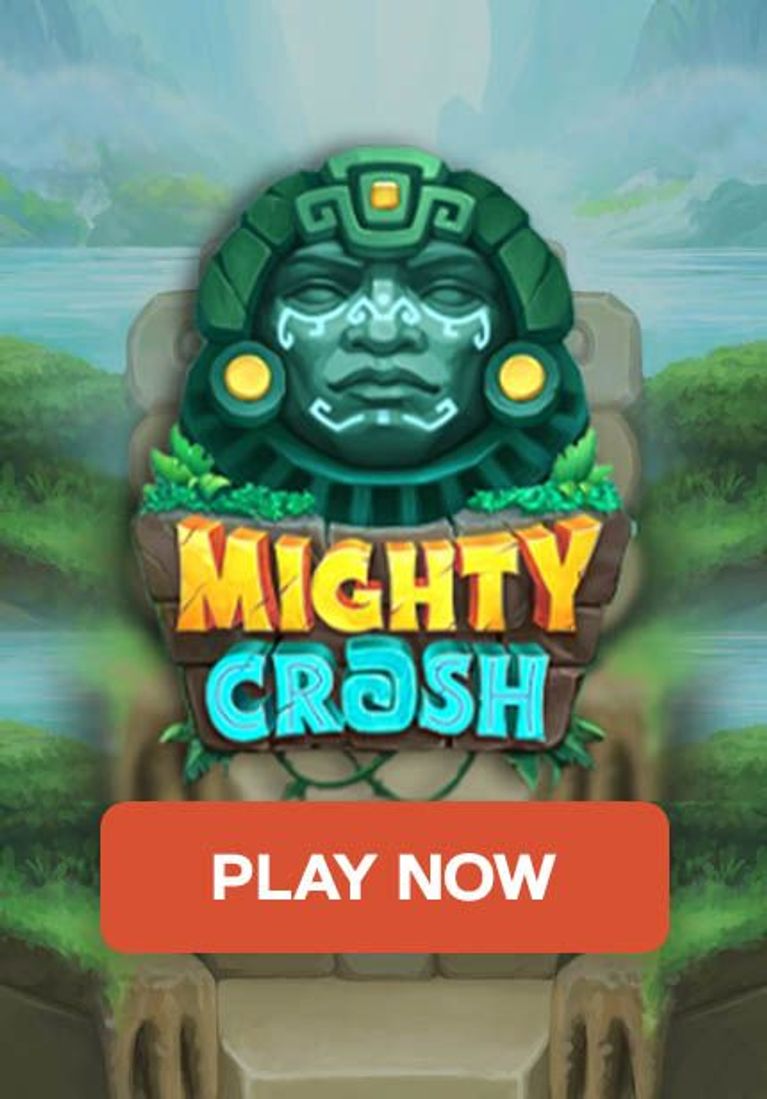
The atmosphere in Mighty Crash leans into carved-stone temples, earthy golds, and rugged textures that feel pulled from an expedition deep in the jungle. The visual language is all about weight and impact—boulders, dust bursts, and bold iconography that sells the idea that each round is a test of nerve, not patience. It’s not cluttered or overly ornate; it keeps the screen readable so you can focus on the multiplier climb and your exit timing.
Audio reinforces that “danger-close” pacing without drowning you in noise. Expect percussive, tribal-inspired beats, sharp UI clicks when you set actions, and a punchier hit of sound when rounds end abruptly—useful feedback that keeps you locked into the rhythm of decision-making.
Because Mighty Crash is a crash game, there are 0 paylines and no reel grid to track—your win is driven by a multiplier that rises until the round “crashes.” The core loop is straightforward: place your stake, watch the multiplier climb, and cash out before it ends. That simplicity is exactly why it’s so readable in motion; you’re never decoding a paytable mid-round, you’re managing risk in real time.
Symbol-wise, the standout identity marker here is the presence of Boulders, which fit the theme and help sell the “impact” motif. While crash games don’t use symbols the same way classic slots do (no Wild/Scatter pattern hunting across reels), the iconography and event cues function as your signals—what matters most is how features and bonuses change the pace and payout ceiling.
With a maximum bet of 20, Mighty Crash is accessible for careful bankroll builders while still leaving room for players who like to press advantages when the session is going well. Lower stakes let you absorb variance and learn the game’s rhythm; higher stakes amplify the emotional intensity because even small multiplier moves become meaningful.
Win frequency in crash-style play often feels different than in reel slots: you can “win” often by cashing out early, but those smaller exits can be offset by the rounds where you hesitate and lose the stake. That push-pull is the real volatility—less about symbol droughts, more about whether your decisions consistently match your risk tolerance.
The biggest momentum shifts in Mighty Crash come from its two signature additions: the Jackpot Bonus and the Rampage Feature. Instead of relying on traditional free spins, the game injects event-style moments that can change the payout landscape and make certain rounds feel like they have a higher ceiling—exactly the kind of spike potential crash players look for.
Trigger conditions can vary by game logic, but the practical takeaway is simple: when bonus states activate, you’re often dealing with altered payout dynamics (think boosted reward potential or round-defining modifiers). The Jackpot Bonus is the “session changer,” the kind of hit that can turn a cautious grind into a standout result. The Rampage Feature is more about pacing—an escalation mechanic that raises intensity and can reward players who keep their timing sharp when the action accelerates.
In Mighty Crash, discipline beats bravado more often than people expect. If you’re new to crash games, start by setting a consistent cash-out target and sticking to it for a fixed number of rounds—this teaches you the game’s flow without letting emotion hijack your decisions. Once you’re comfortable, you can mix targets: some early exits to stabilize the bankroll, paired with a smaller portion of “reach” rounds where you deliberately aim higher.
Bet sizing matters more than most players admit. A useful approach is to keep your base stake steady and only increase after you’ve banked profit for the session—raising bets while trying to “get even” is how crash games punish impatience. Also, if you notice yourself chasing a specific multiplier, take a short break; the fastest way to burn a balance here is turning each round into a personal grudge match.
What makes Mighty Crash memorable visually is how it balances theme with clarity. The Aztec stone aesthetic and boulder-driven accents add heft, but the interface stays legible during the moments that matter—when the multiplier is climbing and you’re deciding whether to hold or fold. Animations emphasize impact rather than spectacle, keeping the focus on the round’s tension instead of distracting flourishes.
Sound design does similar work: it builds pressure as the round progresses, then snaps hard when it ends, training you to respect how quickly a “safe” moment can flip. That tight audio feedback loop subtly improves play because it reinforces timing awareness—especially in longer sessions.
If you want an Aztec-themed crash title that prioritizes quick decisions, readable action, and genuine upside through event-driven bonuses, Mighty Crash delivers a sharp, focused ride. The lack of paylines keeps the learning curve low, while the Jackpot Bonus and Rampage Feature add the kind of spike potential that makes you sit up straighter when a round starts heating up. The best way to judge it is simple: take a few controlled rounds, set a cash-out plan, and see how often your instincts line up with the multiplier’s climb.